Smoke and Soot Cleanup in Henderson, KY: What to Know
A grease fire on the stove, a space heater too close to a curtain, an electrical short behind a wall outlet. Fires like these are often out within minutes, but the smoke and soot they leave behind can spread through an entire house in that same short window. Smoke and soot cleanup in Henderson, KY often turns out to be a bigger job than homeowners expect, because the damage travels far past the room where the fire started.
Soot is acidic and clings to almost every surface it touches, from drywall and cabinetry to clothing and electronics. Left alone, it keeps etching into finishes and carrying odor deeper into the home. This article walks through how smoke damage spreads, the different types of residue it leaves, what to do in the first hours after a fire, and how a
professional smoke and soot cleanup process typically works. If the damage is beyond a quick wipe-down, bringing in a restoration team early can keep a small fire from turning into a much larger repair bill.
How Smoke and Soot Damage Spreads Through a Home
Smoke moves with air, and air moves everywhere a house allows it to. Heat from a fire creates pressure that pushes smoke particles through gaps around doors, light fixtures, and ductwork, carrying soot into rooms that never saw a flame.
Once airborne, soot particles settle on cool surfaces faster than warm ones, which is why metal fixtures, mirrors, and window glass often show visible staining first. HVAC systems make this worse. If the furnace or air handler was running during the fire, soot gets pulled into the ductwork and recirculated through every vent in the house for as long as the system operates.
Porous materials absorb smoke odor the fastest. Carpet, upholstery, drywall, and wood furniture can hold onto smoke smell long after visible soot has been wiped away, which is part of why smoke cleanup is treated as a distinct process from general
fire damage repair rather than a quick cleaning pass.
Types of Soot and Why They Clean Up Differently
Not all soot behaves the same way, and the cleaning method depends heavily on what burned. Restoration professionals typically sort residue into a few broad categories before deciding on a cleaning approach.
Dry Smoke Residue
Dry smoke usually comes from fast-burning materials like paper or wood at high temperatures. It leaves a powdery, fine residue that smears easily if wiped with the wrong method, which is why dry sponging or vacuuming with a HEPA filter is often the first step rather than a wet cloth.
Wet Smoke Residue
Wet smoke results from smoldering, lower-temperature fires, often involving plastics or rubber. It leaves a sticky, thick film with a strong odor that tends to smear into surfaces if cleaned incorrectly, and it generally requires stronger solvent-based cleaning agents than dry residue.
Protein Residue
Kitchen fires, especially grease or food-related fires, leave a nearly invisible protein-based residue. It discolors paint and varnish, carries an intense odor, and is easy to underestimate because so little of it is visible to the eye at first glance.
Health and Safety Risks of Leftover Soot
Beyond the smell and staining, leftover soot carries real health considerations, particularly for people with respiratory conditions, young children, or pets. A few of the most common concerns include:
- Fine particulates that can aggravate asthma or other breathing issues when disturbed
- Chemical residue from burned plastics or synthetic materials, which can be more irritating than residue from natural materials
- Contaminated HVAC systems that continue spreading particles after the initial cleanup unless ductwork is addressed
- Soot-covered food, cosmetics, and medicine cabinets, which should generally be discarded rather than cleaned and reused
These risks are a major reason professional cleanup goes beyond surface wiping and includes air quality steps like HEPA filtration and duct cleaning.
What to Do Before Help Arrives
The first few hours after a fire matter. Decisions made early can either limit the damage or accidentally make it worse.
Steps to Take Right Away
Ventilate the home if it is safe to do so, opening windows to help clear lingering smoke- Avoid touching soot-covered walls or furniture with bare hands, since skin oils can set residue into the surface
- Remove and bag smoke-damaged textiles like clothing and linens for separate cleaning or laundering
- Photograph the damage room by room before any cleanup begins, for insurance documentation
- Keep the HVAC system off until it has been inspected, so soot isn't recirculated through the house
Common Mistakes That Make Soot Damage Worse
Homeowners sometimes reach for an all-purpose cleaner or a shop vacuum, which can smear dry soot into fabric and painted surfaces rather than lifting it off. Running ceiling fans or the HVAC system to "air things out" can also push particles deeper into insulation and ductwork. Scrubbing hard at a soot stain usually drives it further into the material instead of removing it.
Our Smoke and Soot Cleanup Process
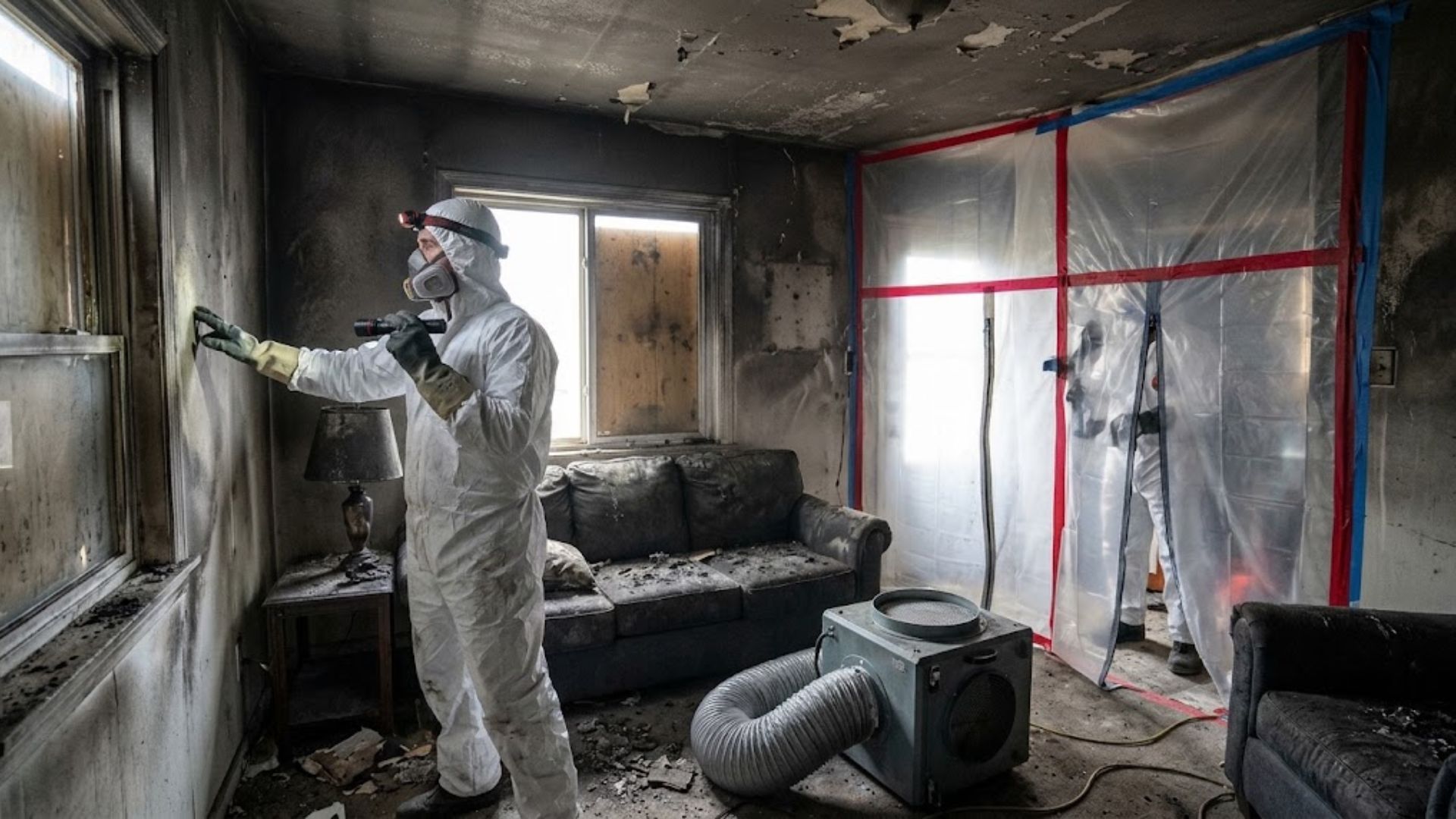
When our team responds to a fire-damaged home, the goal is to stop the damage from spreading further while restoring the property as close to its original condition as possible.
Assessment and Containment
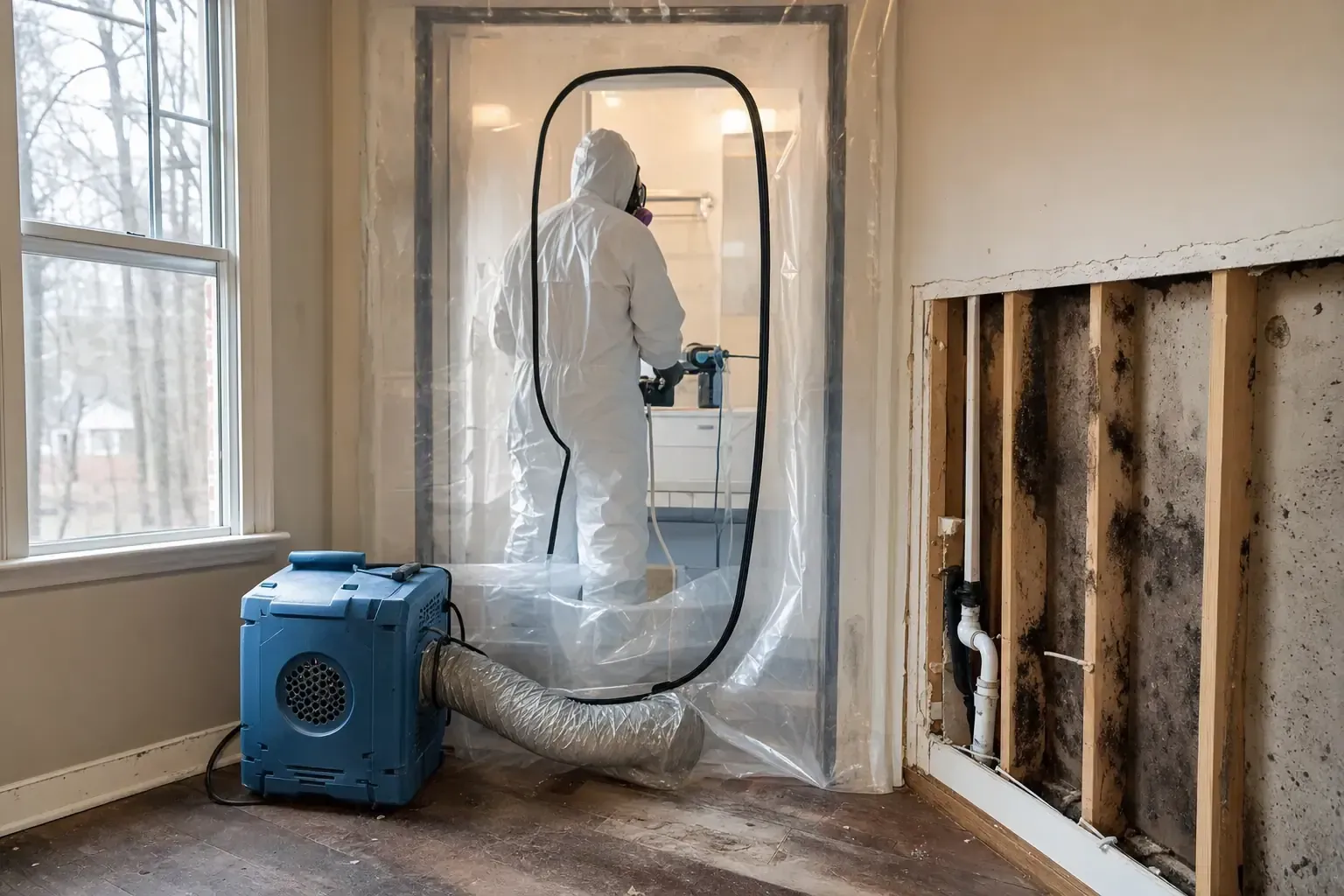
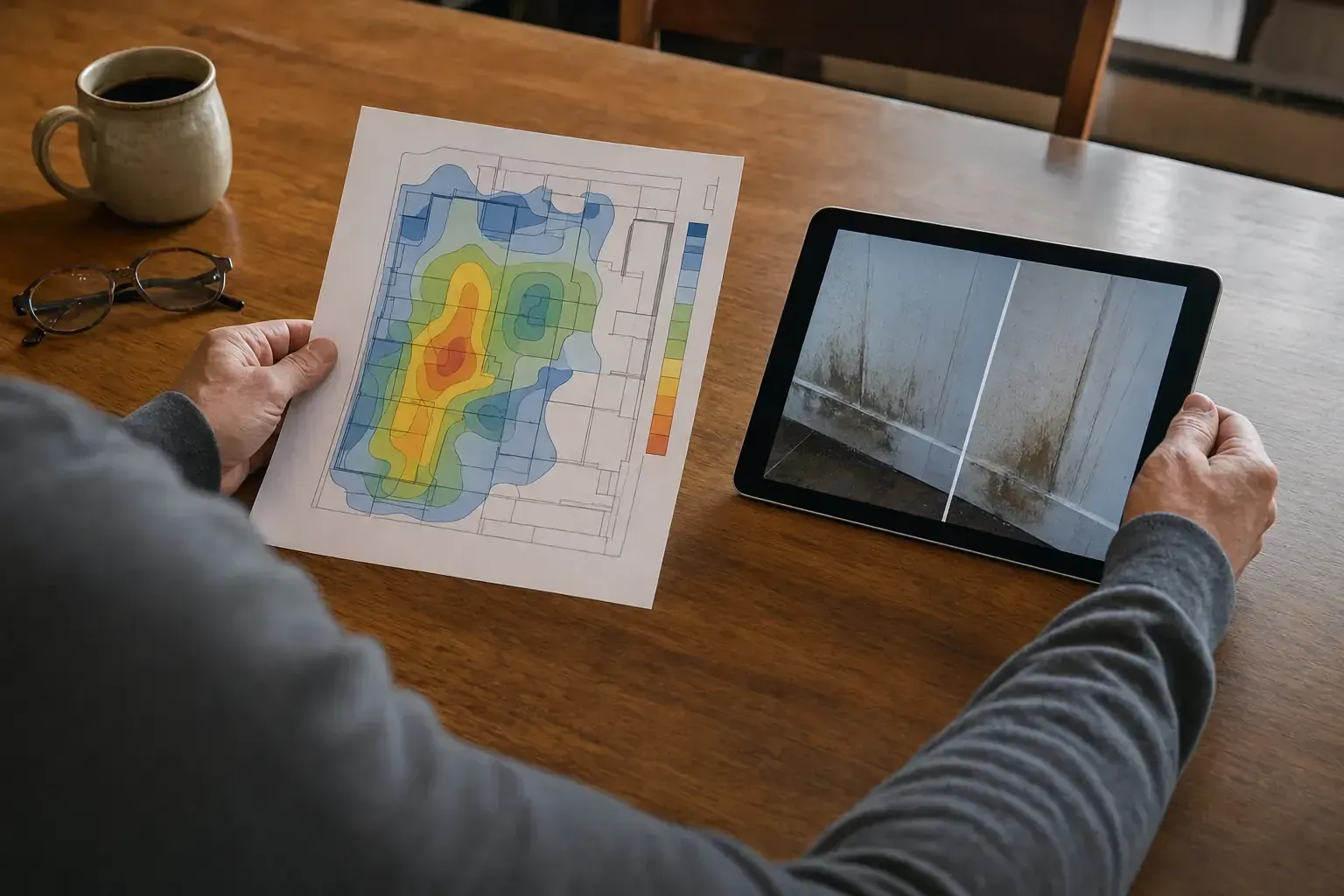
We start by walking the property to identify which rooms have visible soot, which have odor without visible residue, and which areas the HVAC system may have contaminated. Containment barriers are set up where needed to keep soot from migrating into unaffected rooms during cleanup.
Cleaning Techniques for Different Surfaces
Different surfaces call for different tools. Dry sponges and HEPA vacuuming handle light, powdery residue on walls and ceilings, while specialized cleaning agents are used on wet or protein-based residue depending on the surface underneath. Hard surfaces, cabinetry, and fixtures are typically cleaned with solutions matched to the material, rather than a single all-purpose product across the whole house.
Odor Removal
Visible soot can be cleaned away and smoke odor can still linger, since smell particles work their way into porous materials. Odor removal methods such as thermal fogging, ozone treatment, or hydroxyl generators are used depending on the severity and the materials affected, often alongside sealing and repainting porous surfaces that have absorbed smoke.
Final Clearance and Restoration
Once cleaning and odor treatment are complete, the space is checked for any remaining residue or smell before being handed back over. If the fire also caused structural damage or water damage from firefighting efforts, that work is typically coordinated as a separate but connected phase of the overall restoration.
Local Considerations for Henderson, KY Homes
Henderson sits along the Ohio River in western Kentucky, and many homes in the area mix older construction with newer additions, which means duct systems, insulation types, and wall materials can vary significantly from one property to the next. Older homes with plaster walls or original wood trim often hold onto smoke odor longer than homes with more modern, sealed finishes, which can change how aggressive the cleaning and sealing steps need to be.
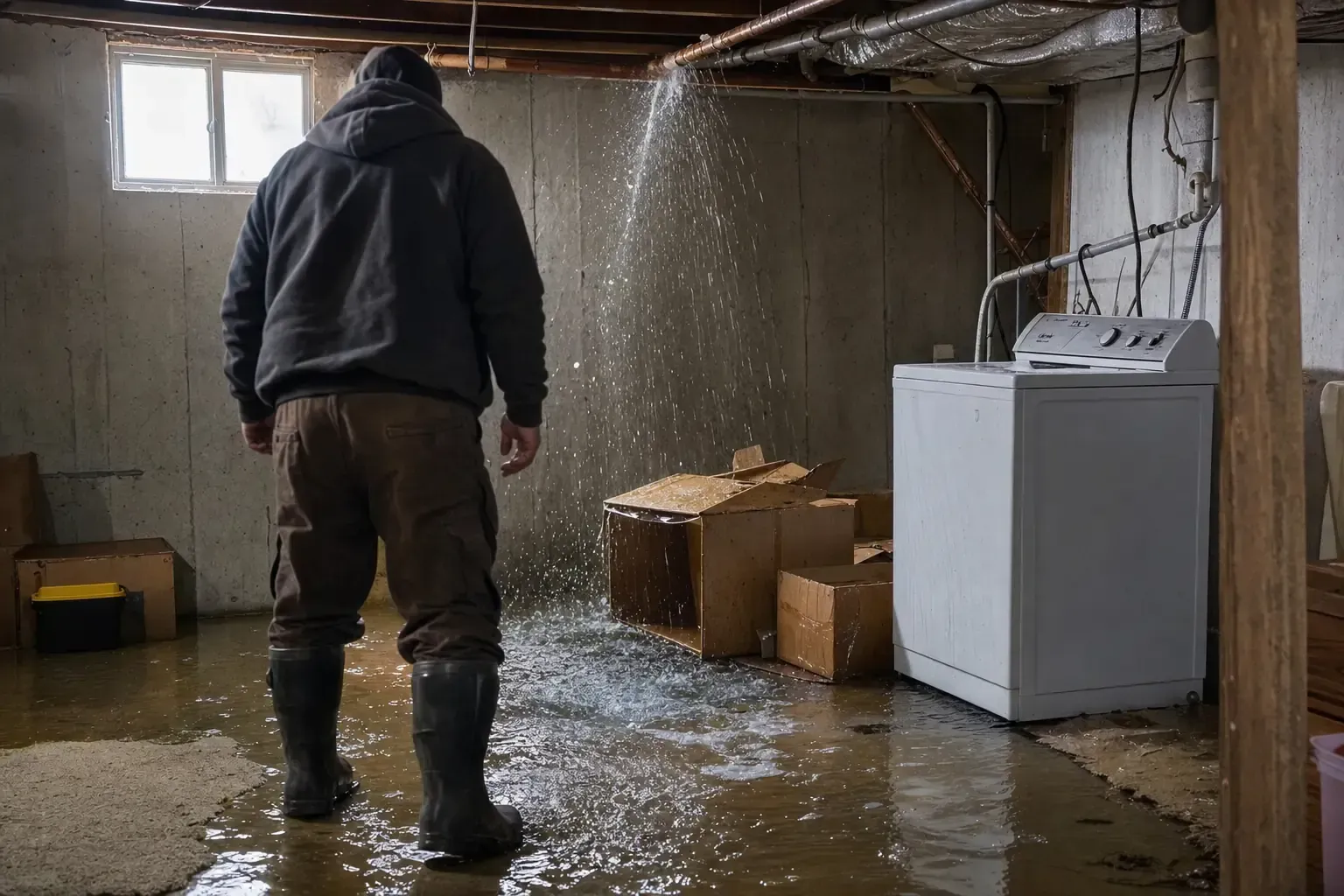
The region's humidity swings through the seasons also matter after a fire. Firefighting water combined with warm, humid stretches can create a window for mold growth if a home isn't dried out properly alongside the soot cleanup, which is one reason smoke damage and water damage are often addressed together rather than treated as separate problems.
Working With Your Insurance Company After a Fire
Most homeowner's insurance policies cover fire and smoke damage, but documentation matters. Insurers generally want a clear record of what was damaged, when, and to what extent before approving a claim.
Keeping photos, a written inventory of damaged items, and receipts for any emergency work (like boarding up a window or tarping a roof) helps the claims process move faster. A restoration company that documents its findings and work as it goes can make it easier to provide the paperwork an adjuster asks for, though homeowners should always confirm coverage details directly with their own insurance provider rather than assuming what is or isn't included.
Related Services After a Fire
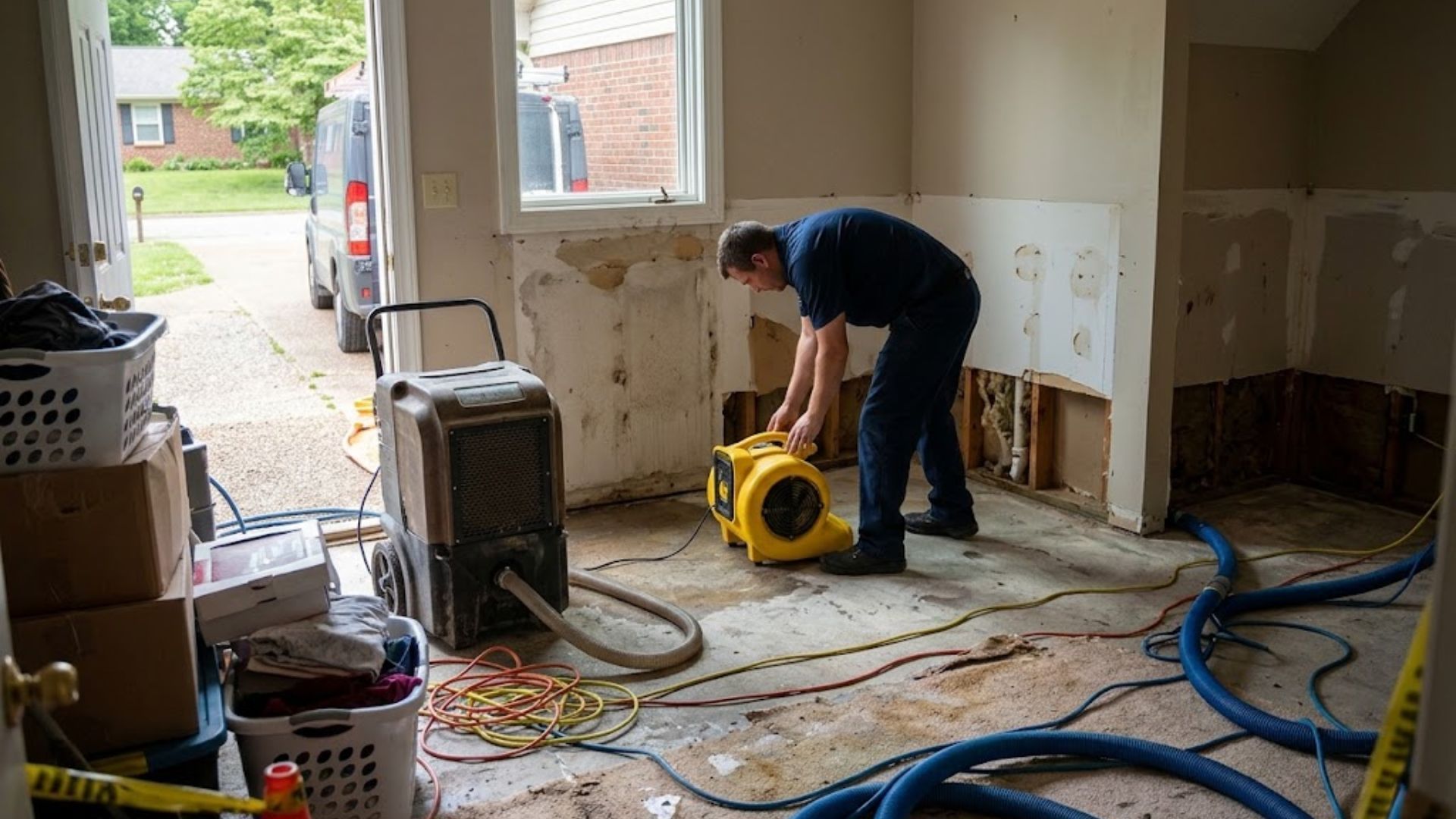
Fire damage rarely stays contained to smoke and soot alone. Firefighting efforts often leave standing water or saturated materials behind, which calls for water damage drying and extraction.
Many homes also need content and pack-out restoration to clean and store salvageable belongings offsite while repairs happen, and some will need structural reconstruction once the cleanup phase is finished. Looking at these as connected steps, rather than isolated jobs, tends to produce a smoother overall recovery.
Frequently Asked Questions
How Long Does Smoke and Soot Cleanup Take?
Timelines vary widely based on the size of the fire and how far the smoke traveled, ranging from a few days for a contained, small fire to several weeks when odor has settled deep into porous materials or ductwork needs cleaning.
Can I Clean Soot Myself After a Small Fire?
Light surface soot on hard, washable materials can sometimes be handled with dry sponging and careful cleaning, but porous materials, electronics, and anything with lingering odor usually need professional treatment to avoid smearing residue deeper into the surface.
Does Smoke Smell Go Away on Its Own?
No, smoke odor typically does not fade without active treatment, because the particles responsible for the smell embed themselves into drywall, fabric, and wood rather than simply evaporating over time.
Will My HVAC System Need to Be Cleaned After a Fire?
If the system was running during or after the fire, the ductwork likely needs inspection and cleaning, since soot particles can circulate through vents and resettle in rooms that otherwise had little visible damage.
What Should I Throw Away After a House Fire?
Food, cosmetics, and medications exposed to smoke or heat should generally be discarded, along with heavily soot-saturated items that cost more to clean than replace, while a restoration assessment can help sort what is salvageable.
Does Insurance Cover Smoke and Soot Cleanup?
Most homeowner's policies cover smoke and fire damage, but coverage details differ by policy, so confirming specifics with your insurance provider alongside documented damage and cleanup records is an important early step.
Final Thoughts on Smoke and Soot Cleanup in Henderson, KY
Smoke and soot damage rarely stays where the fire started, which is why a careful, room-by-room approach matters more than a quick wipe-down. Acting fast to ventilate, document, and avoid common cleaning mistakes can protect both the home and the insurance claim that follows. Pairing smoke cleanup with attention to any water intrusion from firefighting efforts also helps prevent a second round of damage, like mold, from forming later.
If your Henderson, KY home has
smoke or soot damage after a fire, our team at Vet Dry Restoration can walk the property, explain what we're seeing room by room, and lay out a cleanup plan before any more odor or residue sets into your walls, floors, or belongings.
Recent Posts