Water Damage Restoration in Madisonville, KY: What to Expect
A supply line under the kitchen sink lets go overnight, and by morning there's an inch of water across the kitchen and into the hallway. Or a storm knocks a tree limb into the roof, and rain finds its way into the attic insulation for three days before anyone notices the stain on the ceiling. Either way, the homeowner is left asking the same question: what happens now?
Water damage restoration in Madisonville, KY follows a fairly predictable process once professionals get involved, but most homeowners have never been through it before. Knowing what to expect, from the first phone call to the final repair, makes the whole experience less stressful and helps protect the home from further damage.
This article walks through the
common causes of water damage, the warning signs worth watching for, and the step-by-step restoration process a professional team typically follows. It also covers what homeowners should do in the first hour after discovering water, and when it's time to bring in help rather than handle it alone.
Common Causes of Water Damage in Hopkins County Homes
Water damage rarely comes from one single source. Understanding the most frequent causes helps homeowners spot risks before they turn into bigger problems.
Plumbing and Appliance Failures
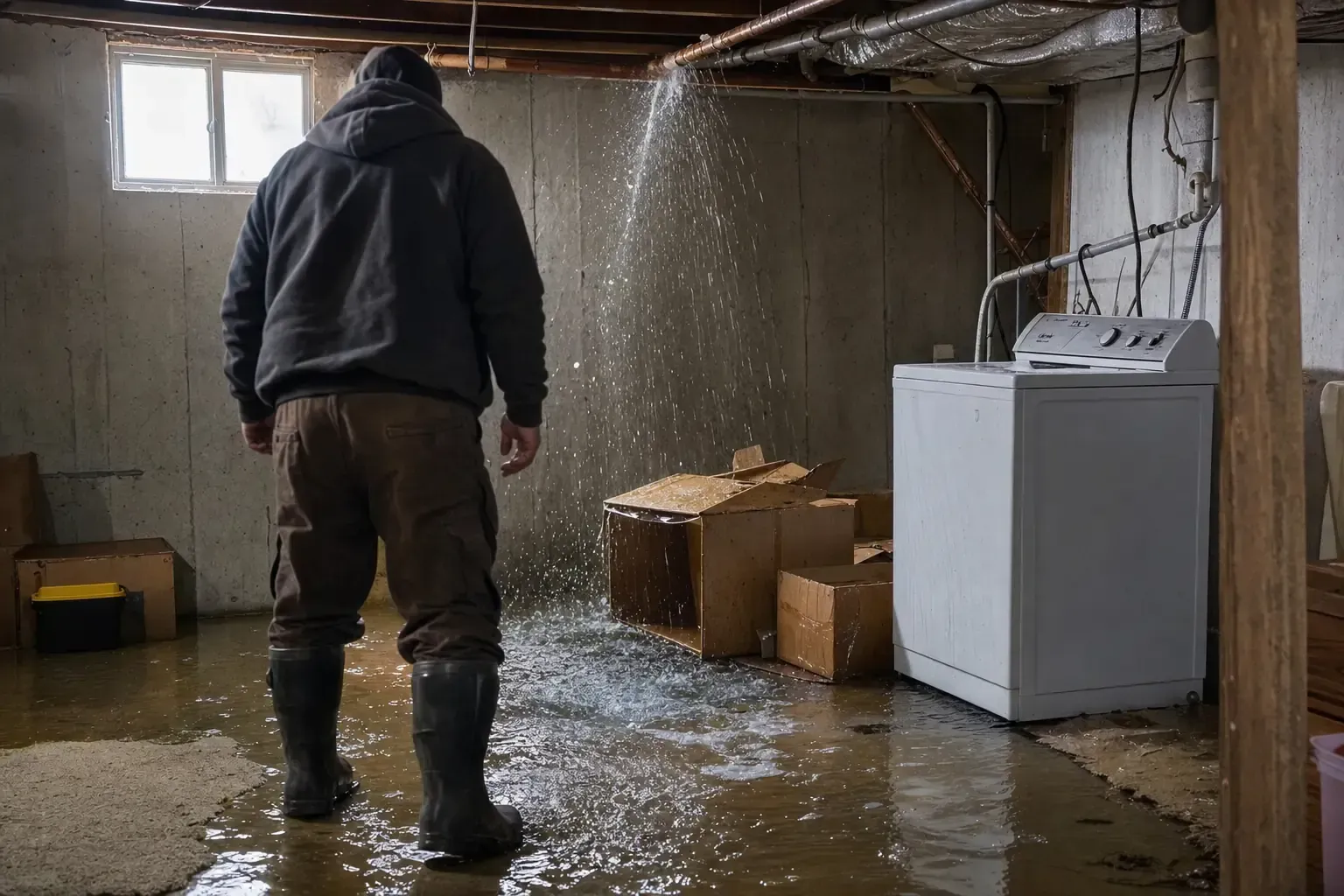
Burst pipes, failed water heaters, and worn supply lines on washing machines or dishwashers are among the most common sources of indoor water damage. These failures often happen with no warning, sometimes while residents are asleep or away from home.
Roof and Storm-Related Leaks
Western Kentucky sees its share of heavy spring and summer storms, and a damaged roof, clogged gutter, or loose flashing can let water into attics and wall cavities. Damage from a storm can go unnoticed for days if it starts in an area that isn't checked regularly.
Groundwater and Drainage Issues
Homes with basements or crawl spaces, which are common throughout this part of Kentucky, are vulnerable to groundwater seeping in after prolonged or heavy rainfall, especially where grading or drainage around the foundation isn't ideal. Low-lying lots near creeks or drainage ditches carry extra risk during wet stretches of the year.
HVAC and Appliance Condensation
Clogged condensate lines on air conditioning systems, leaking refrigerators, and malfunctioning dehumidifiers can cause slow, ongoing moisture problems that are easy to miss until flooring or drywall starts to show damage.
Warning Signs Homeowners Should Not Ignore
Some water damage is obvious. Other times it hides behind walls or under flooring until it has already caused real harm. Watch for these signs:
Discoloration or staining on ceilings, walls, or baseboards- A musty or earthy smell in a room, closet, or basement
- Flooring that feels soft, warped, or spongy underfoot
- Peeling paint or bubbling wallpaper
- Unexplained increases in a water bill
- Visible condensation or dripping around pipes, windows, or vents
Catching these signs early gives homeowners a better chance of limiting the damage and avoiding mold growth.
Why a Fast Response Matters
Water damage is generally grouped into categories based on how contaminated the water is, ranging from clean water from a supply line to grossly contaminated water from sewage backups. The category affects how the water should be handled and what safety precautions are needed.
Time matters just as much as the water source. Materials like drywall, carpet padding, and wood flooring can begin absorbing moisture within minutes, and mold can start developing within roughly one to two days in the right conditions. The longer water sits, the more likely it is that materials will need to be replaced instead of dried and saved.
The Water Damage Restoration Process: What to Expect Step by Step
Professional water damage restoration follows a consistent sequence, though the specifics vary depending on the size of the loss and which materials were affected.
Inspection and Damage Assessment
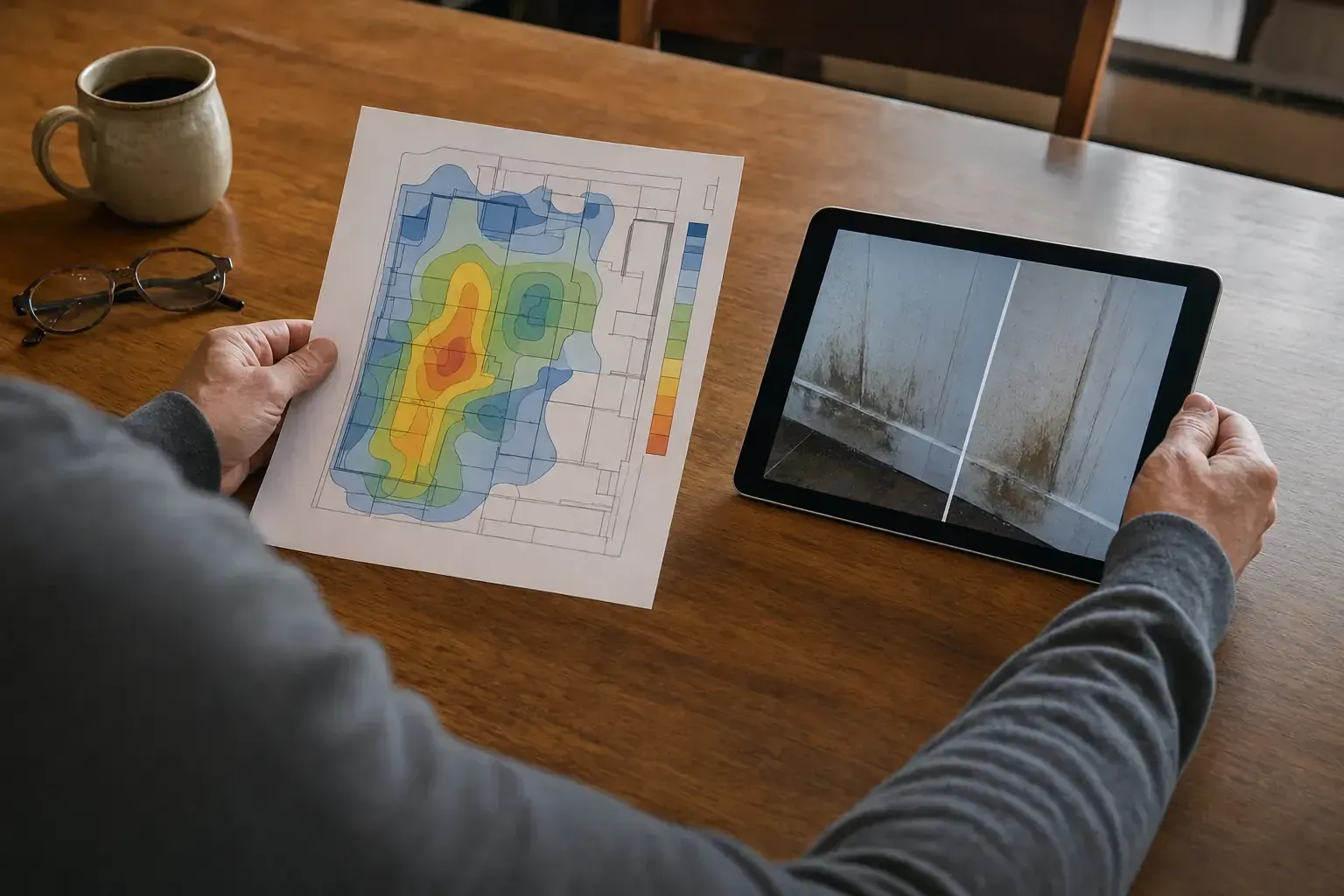
The process starts with a walkthrough of the affected areas to identify the water source, map out how far moisture has traveled, and check materials like drywall, subflooring, and insulation with moisture meters. This assessment shapes the entire plan that follows, including which materials can be dried in place and which need to come out.
Water Removal and Extraction
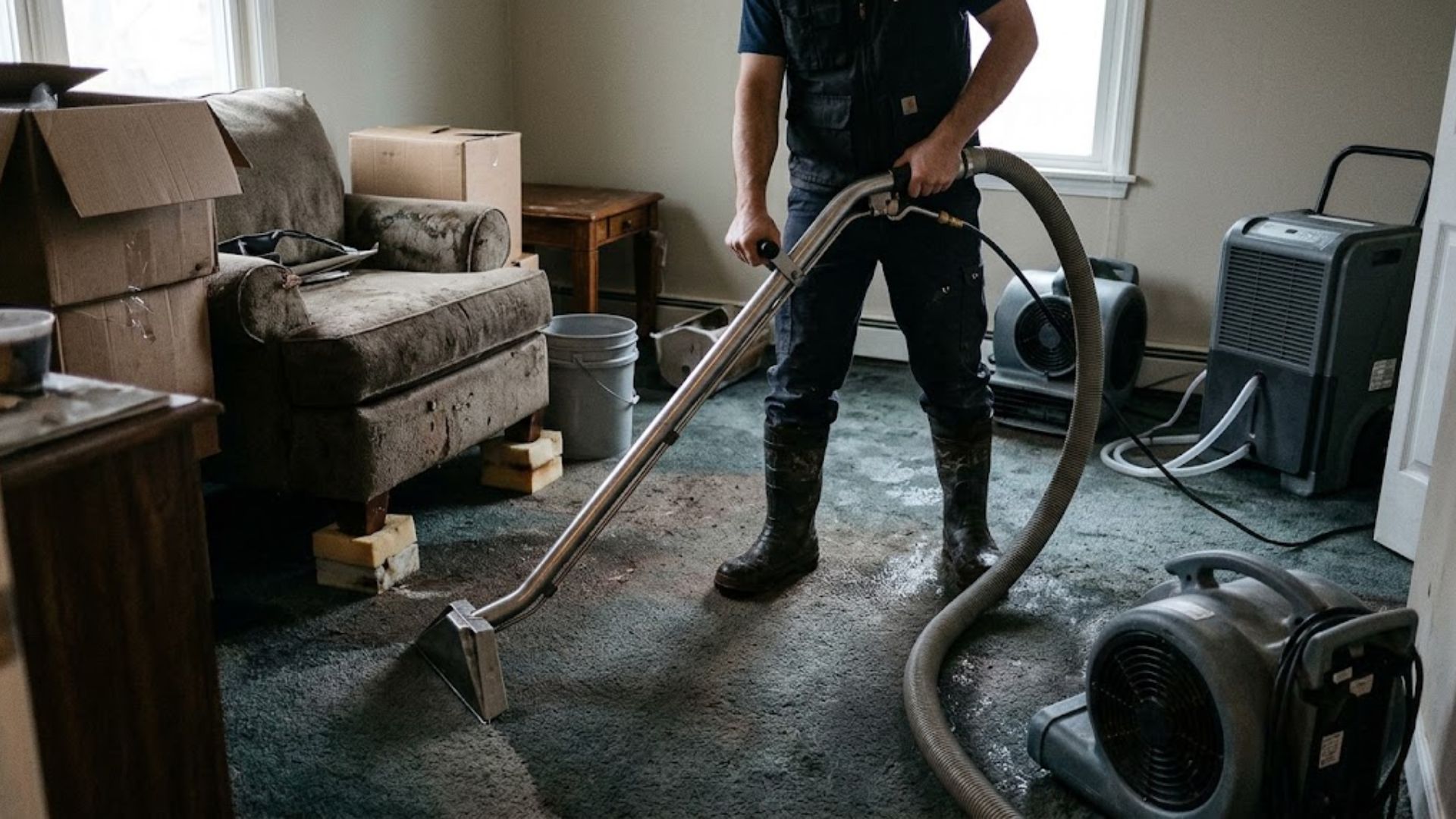
Standing water is removed using pumps and wet vacuums before the drying phase begins. Removing bulk water quickly reduces how much moisture surrounding materials absorb and shortens the overall drying timeline.
Drying and Dehumidification
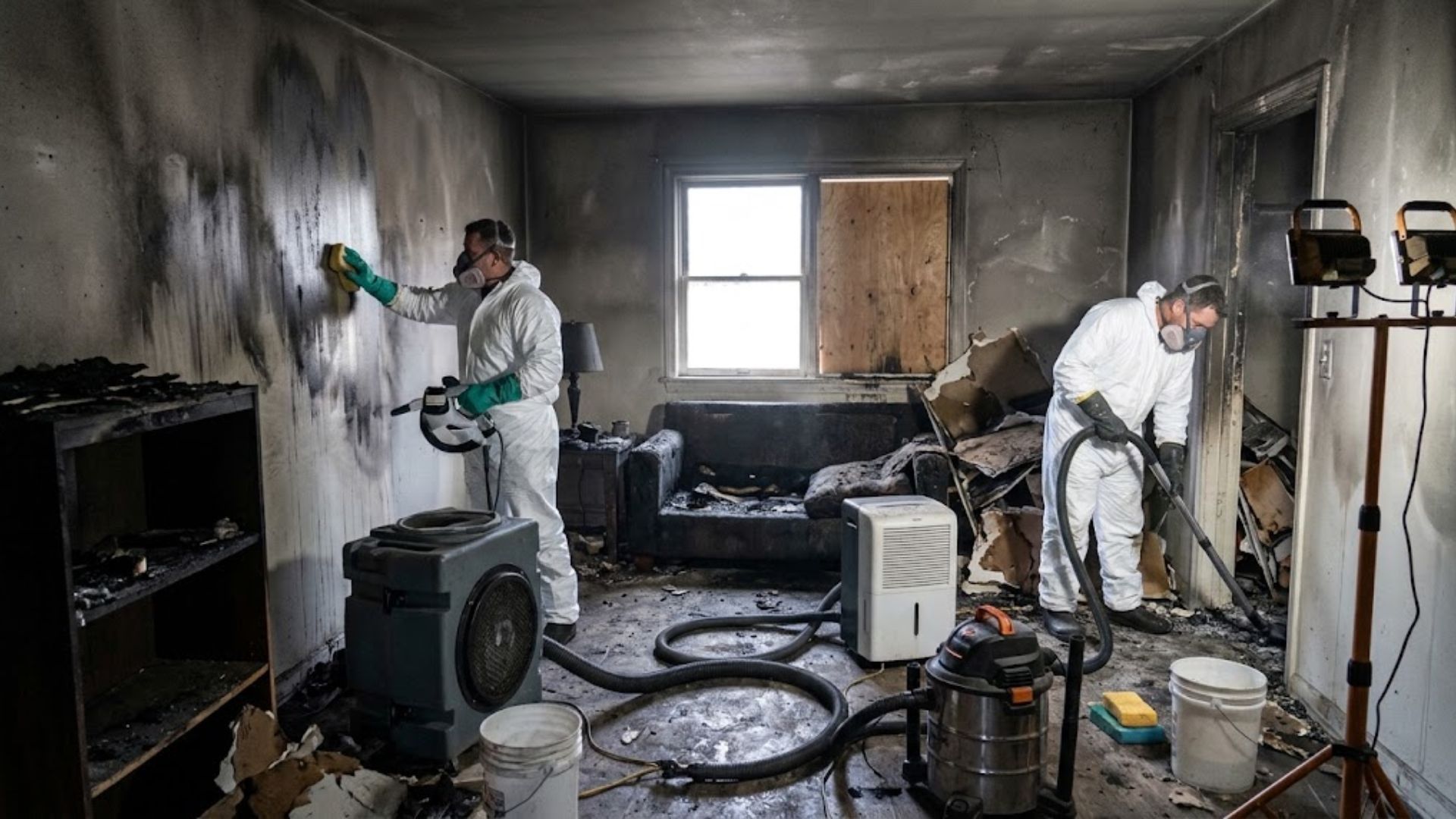
Once standing water is gone, air movers and dehumidifiers are set up to pull remaining moisture out of walls, flooring, and furniture. Drying times vary by material and how saturated the space is, and crews typically monitor moisture levels throughout the process rather than guessing when a space is dry.
Cleaning and Sanitizing
Affected surfaces and contents are cleaned to remove residue and reduce the risk of mold or odor problems. Depending on the water category, this step may include antimicrobial treatments on structural materials.
Repairs and Rebuilding
The final phase covers whatever needs to be replaced or repaired, from drywall and flooring to trim, cabinetry, or paint. This is where the home is brought back to its pre-damage condition.
Working With Your Insurance Company
Many homeowners' policies cover sudden, accidental water damage, such as a burst pipe, though coverage for groundwater flooding or long-term leaks can vary significantly by policy. It's worth reviewing a policy's language on water damage before an incident happens, not after.
When filing a claim, clear documentation helps: photos and video of the damage before cleanup begins, a written description of what happened and when it was discovered, and an itemized list of damaged belongings. A restoration company can typically provide documentation of the work performed and moisture readings taken throughout the job, which can support a claim alongside the homeowner's own records.
What to Do (and Avoid) Before Help Arrives
The first hour after discovering water damage sets the tone for how much can be saved. A few simple actions make a real difference.
Do This First
- Shut off the water source if it's a plumbing issue, or the main water supply if the source isn't obvious
- Turn off electricity to affected areas if water is near outlets or wiring
- Move furniture, rugs, and valuables away from wet areas when it's safe to do so
- Take photos of the damage before anything is moved or cleaned
Avoid These Common Mistakes
- Don't use a household vacuum to remove standing water
- Don't walk through standing water near electrical outlets or panels
- Don't delay calling for help while waiting to see if the water "dries on its own"
- Don't attempt to dry large areas with fans alone if the water came from a contaminated source
Related Services Worth Knowing About
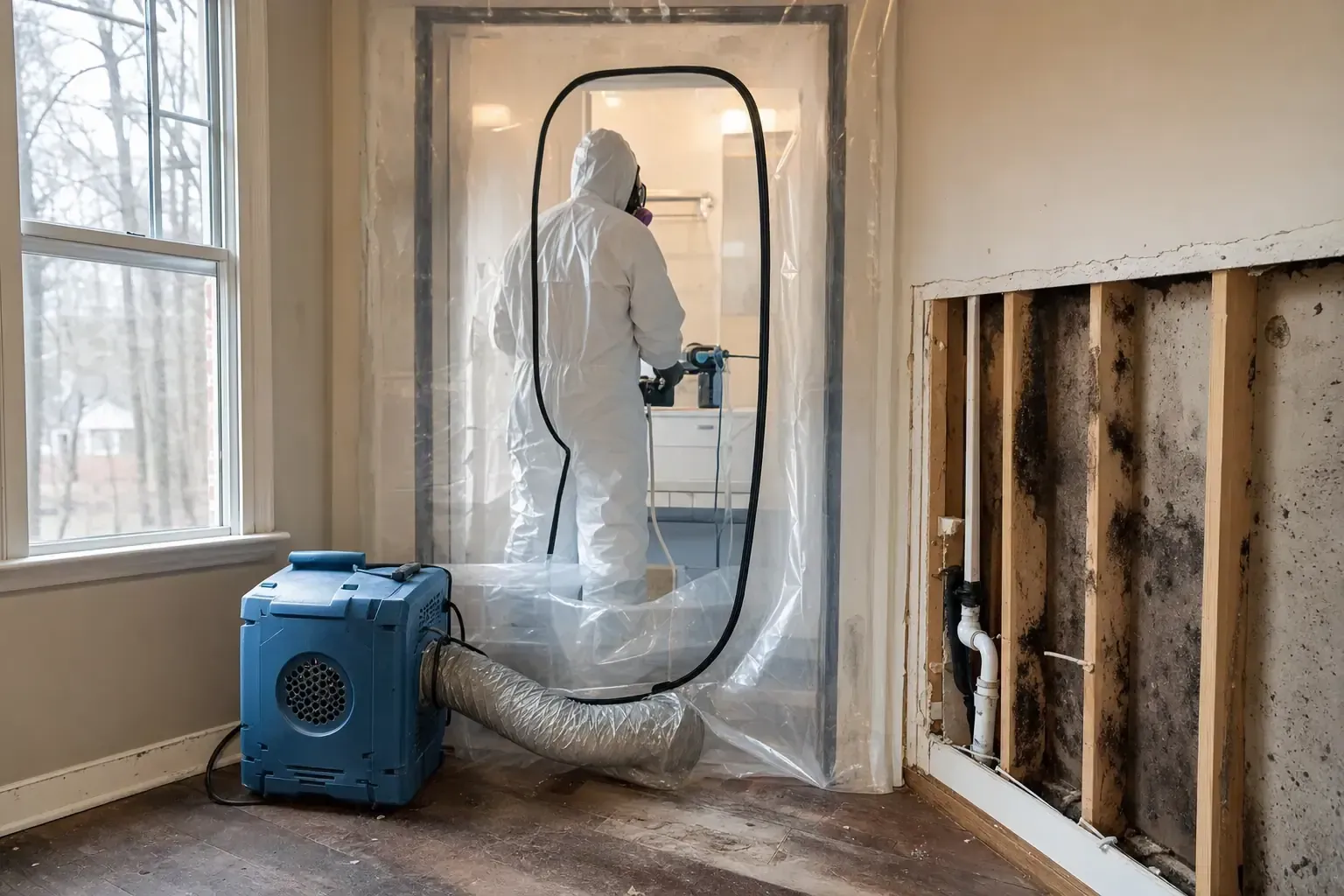
Water damage often overlaps with other restoration needs. A pipe leak that goes undetected for a few days can lead to mold growth, which calls for mold remediation. A storm that causes roof damage may also require storm damage repair alongside water extraction. In cases involving a sewer backup, sewage cleanup requires different safety protocols than a clean-water loss. And any job involving saturated structural materials benefits from structural drying to make sure moisture isn't trapped behind walls or under flooring long after the surface looks dry.
Choosing a Water Damage Restoration Company in Madisonville, KY
Not every water loss needs a professional crew, but larger leaks, flooding, or anything involving contaminated water generally do. When evaluating a restoration company, ask how they assess moisture (not just visually, but with meters), what their communication process looks like during the job, and how they document the work for insurance purposes.
Our team at Vet Dry Restoration approaches each job by starting with a thorough inspection, keeping homeowners informed as drying progresses, and focusing on restoring the home rather than just removing water and leaving the rest to the homeowner to sort out.
Frequently Asked Questions
How Long Does Water Damage Restoration Take?
Most residential water damage jobs take three to five days for drying alone, with repairs added on depending on what needs to be replaced. Smaller, localized leaks may dry faster, while larger losses involving multiple rooms can take longer.
Can I Stay in My Home During Water Damage Restoration?
In most cases, yes, especially if only one or two rooms are affected. Larger losses involving extensive drying equipment, air quality concerns, or structural damage may require staying elsewhere temporarily.
Will My Homeowners Insurance Cover Water Damage?
It depends on the cause. Sudden and accidental damage, like a burst pipe, is often covered, while gradual leaks or groundwater flooding may be excluded or require separate coverage, so checking the specific policy is important.
What's the Difference Between Water Damage and Flood Damage?
Water damage typically refers to water from inside the home, like a pipe or appliance, while flood damage usually refers to water entering from outside, such as rising groundwater. Insurance treatment often differs between the two, which is why the distinction matters for claims.
How Do I Know If I Need Mold Remediation After Water Damage?
If water sat for more than 24 to 48 hours, or if there's a visible musty smell, mold growth is a real possibility. A follow-up inspection focused specifically on mold is a reasonable next step any time drying wasn't immediate.
Final Thoughts on Water Damage Restoration in Madisonville, KY
Water damage rarely announces itself conveniently. The homes that come through it best are usually the ones where someone caught the warning signs early and acted within the first hour, not days later. Shutting off the water source, documenting the damage, and avoiding do-it-yourself drying shortcuts all protect the home in those critical first moments.
If you're dealing with a leak, storm damage, or standing water in your Madisonville home, our team at
Vet Dry Restoration is ready to walk through the
water damage inspection, drying, and repair process with you step by step, so you're never left guessing what happens next.
Recent Posts